Minecraft Armor Trims: Every Smithing Template and Where to Find It
By
Minecraft Search
|
9 min read
|
Updated on
August 18, 2026
Written with AI assistance.
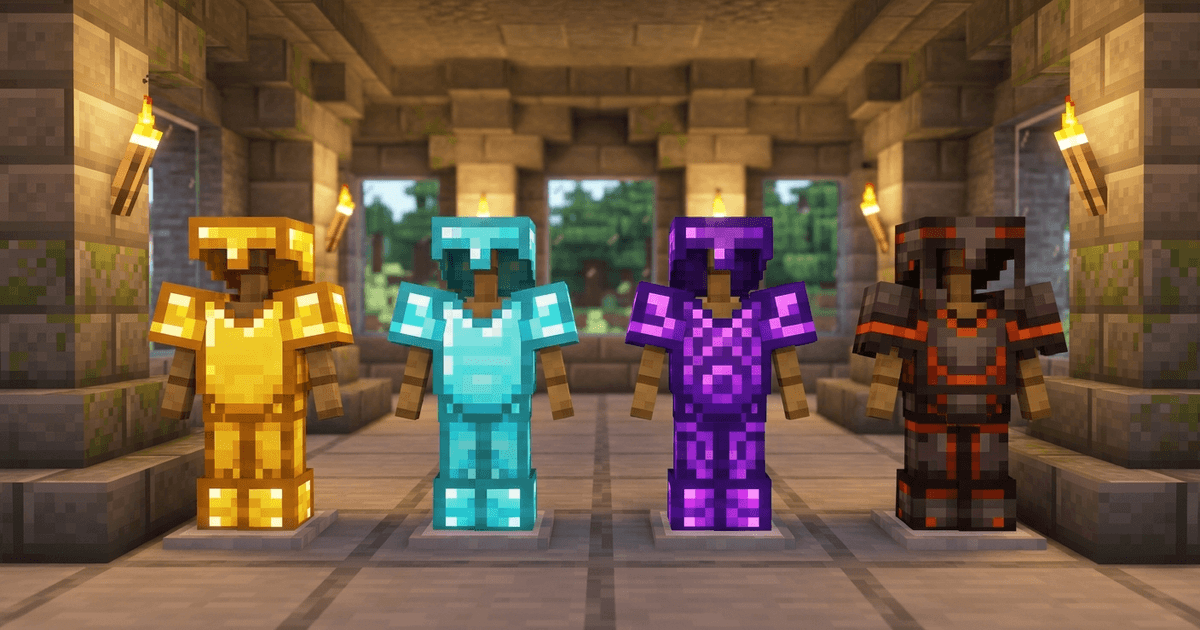
TL;DR: Where Minecraft Armor Trims Come From
- ✅ There are 18 armor trim smithing templates. 11 are chest loot, 2 come from Trial Chambers vaults, 4 from brushing rare suspicious gravel in Trail Ruins, and 1 is dropped by the Elder Guardian.
- ✅ Every template comes from one specific structure — so getting a trim you want is a navigation problem, not a crafting problem.
- ✅ Silence is the rarest at 1.2% per Ancient City chest. The easiest is Eye: stronghold library chests give it 100% of the time.
- ✅ Duplication is always 7 diamonds + 1 matching block + the template, and it returns 2.
- ✅ Trims are cosmetic only — no armor, no durability, no enchanting effect.
- ✅ Skip the wandering: our structure finders put every one of these structures on the map for your exact seed, Java and Bedrock.
Applying an armor trim takes about four seconds at a smithing table. Finding the template takes hours. That is the real shape of Minecraft armor trims: 18 smithing templates, each one buried in a different structure, several of them at drop rates low enough that you can clear the whole building and walk away with nothing. This guide is the part every trim chart skips — which structure holds which template, which chest inside it, and what the actual chance is.
What Are Armor Trims in Minecraft?
An armor trim is a decorative pattern applied to a piece of armor at a smithing table, using a smithing template plus a trim material that sets the colour. The template decides the shape; the material decides the colour. Trims are purely cosmetic — as of Java 26.2 and Bedrock 1.26.40 they give no extra protection, no durability, and no enchanting benefit. Applying one does not consume the armor's enchantments, and the template itself is consumed unless you have duplicated it first.
That cosmetic-only status is exactly why the sourcing matters. A trim is a trophy: its whole value is that other players know where you had to go to get it.
Where Do You Find Every Armor Trim Smithing Template?
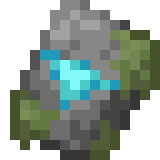
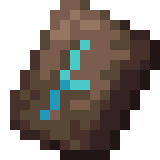
Each of the 18 templates is tied to exactly one structure, and 11 of them come out of chests at a fixed per-chest chance. The table below is the whole map — the structure, how you actually get it out, the chance, and a finder that will put that structure on your map at your own seed.





















Why Flow and Bolt have no percentage here
Vaults are not chests — you unlock them with a trial key rather than opening a container, and the published figures for the two Trial Chambers templates do not agree between sources. Rather than print a number we cannot stand behind, we have left it out. Every other figure in the table is cross-checked against two independent sources.
The one shortcut worth knowing: Eye trims are guaranteed
Strongholds have two chest types that can hold the Eye Armor Trim, and they are not equal. Library chests give it 100% of the time; altar chests only 10%. If you are hunting Eye specifically, walk past the altar and find the library — it is a guaranteed template, and it is the only guaranteed trim in the game.
Which Armor Trim Is the Rarest in Minecraft?
Silence is the rarest armor trim, at 1.2% per Ancient City chest — roughly one template for every 83 chests you open. It is more than four times rarer than the Ward trim that sits in the same structure, which is why an Ancient City run so often ends with a Ward and no Silence. Nothing else is close: the next-rarest chest templates are Ward at 5%, then Rib and Spire at 6.7%.
There is no trick to improve the roll, so the only lever you have is opening more Ancient City chests — which means finding more Ancient Cities rather than re-clearing one.
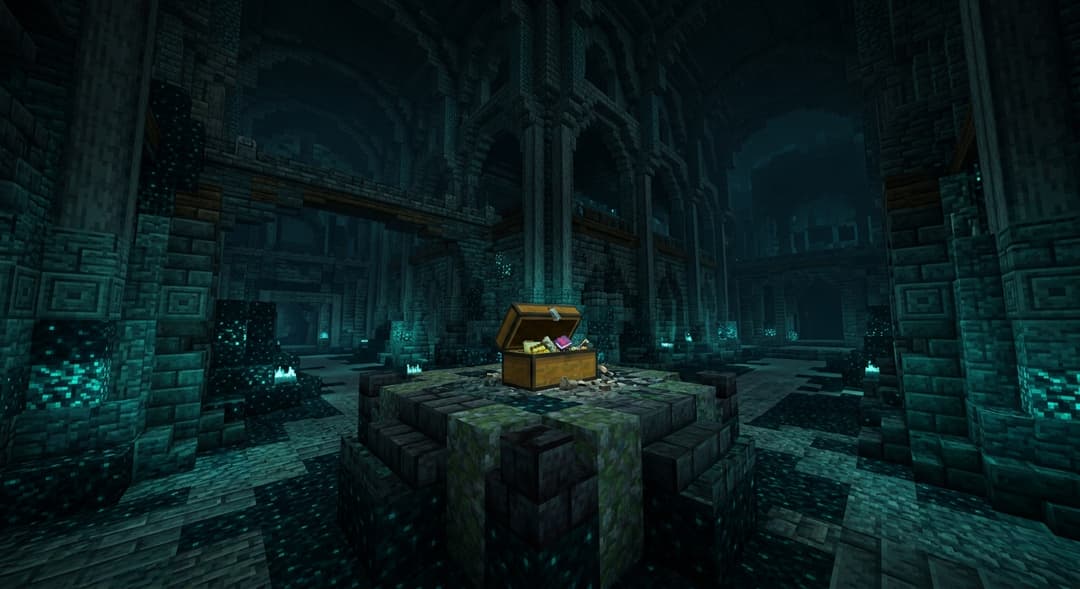
Silence is a numbers game, and the number is 1.2%. Our Ancient City Finder puts every Ancient City in your seed on the map with exact coordinates, so you can chain deep-dark runs instead of hunting for the next one — Java and Bedrock, no download.
Open the Ancient City Finder →How Do You Duplicate a Smithing Template?
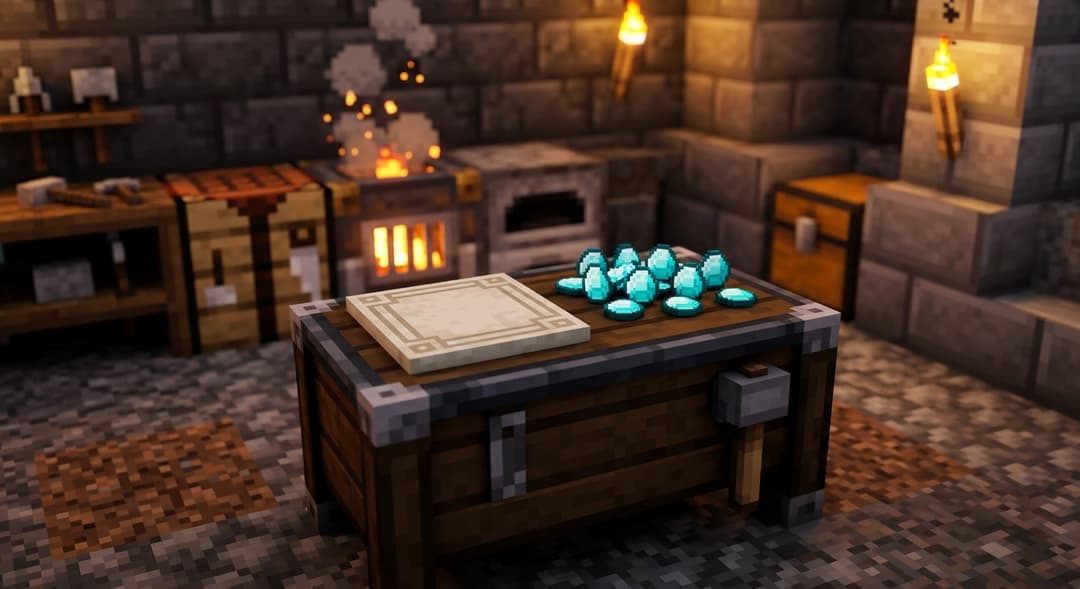
Duplication always follows one formula: 7 diamonds + 1 matching block + the template you already own → 2 copies of that template. You keep the original and gain one, so the true cost of each extra copy is 7 diamonds and one block. Do this *before* you apply a trim, because applying consumes the template.
Here is that recipe as the game lays it out, using Silence as the example — the template goes top-centre, the matching block in the middle, and diamonds fill the other seven slots.

So the only thing that changes per template is that centre block — almost always a block from the structure the template came from. Each row links to its own recipe if you want to check one directly.




What Are the Trim Materials and Colours?
There are 11 trim materials, and the material is what sets the colour — the same template looks completely different in netherite versus copper. Any material works with any template, giving 18 × 11 = 198 possible combinations per armor piece. The swatches below are indicative rather than exact: the in-game tint also shifts slightly with the armor material underneath it.
| Trim material | Colour | Colour it produces |
|---|---|---|
 Amethyst Shard Amethyst Shard | 🟪 | Purple |
 Copper Ingot Copper Ingot | 🟧 | Orange |
 Diamond Diamond | 🟦 | Pale blue |
 Emerald Emerald | 🟩 | Green |
 Gold Ingot Gold Ingot | 🟨 | Yellow |
 Iron Ingot Iron Ingot | ⬜ | Light grey |
 Lapis Lazuli Lapis Lazuli | 🟦 | Blue |
 Nether Quartz Nether Quartz | ⬜ | White |
| Netherite Ingot | ⬛ | Dark grey |
 Redstone Dust Redstone Dust | 🟥 | Red |
 Resin Brick Resin Brick | 🟫 | Orange-tan |
Do Armor Trims Work the Same in Java and Bedrock?
Almost. The 18 templates, their structures, their drop chances and the 7-diamond duplication formula are identical in both editions as of Java 26.2 and Bedrock 1.26.40. The one real difference is that Bedrock accepts extra block variants when duplicating three specific templates — Java is stricter.
| Template | Java accepts | Bedrock also accepts |
|---|---|---|
 Dune Armor Trim Dune Armor Trim | Sandstone | Smooth Sandstone, Cut Sandstone, Chiseled Sandstone |
 Spire Armor Trim Spire Armor Trim | Purpur Block | Purpur Pillar |
 Tide Armor Trim Tide Armor Trim | Prismarine | Prismarine Bricks, Dark Prismarine |
Every other template uses the same block in both editions. If you play Bedrock and have prismarine bricks but no plain prismarine, you can still duplicate a Tide trim; on Java you cannot.
Frequently Asked Questions (FAQ)
Q: How many armor trims are there in Minecraft?
A: There are 18 armor trim smithing templates. Combined with the 11 trim materials, that gives 198 distinct looks per armor piece.
Q: What is the rarest armor trim in Minecraft?
A: Silence, at 1.2% per Ancient City chest — about one per 83 chests. It is the rarest template by a wide margin; the next-rarest is Ward at 5%.
Q: Do armor trims give any protection or bonus?
A: No. Armor trims are purely cosmetic. They do not change armor points, durability, enchantments or any other stat in either edition.
Q: How do you duplicate a smithing template?
A: Place the template, 7 diamonds and 1 matching block in a smithing table to get 2 copies back. The matching block is usually a block from the structure the template came from — cobblestone for Sentry, sandstone for Dune, terracotta for the four Trail Ruins templates.
Q: Which armor trim is easiest to get?
A: Eye. Stronghold library chests contain it 100% of the time, making it the only guaranteed template in the game. Altar chests in the same stronghold are only 10%, so head for the library.
Q: Can you get armor trims without finding structures?
A: Only by duplicating one you already own, or trading with another player. Every template originates in a structure — there is no crafting recipe that creates a template from raw materials.
Q: Does applying a trim remove my enchantments?
A: No. Applying an armor trim keeps the armor's enchantments and durability intact. The smithing template itself is consumed, which is why duplicating it first is worth the 7 diamonds.
Every trim on this list is one structure away. If you know your seed, you already know where they all are — drop it into the seed map and the Ancient Cities, Trail Ruins and Trial Chambers holding your missing templates show up with coordinates, for Java and Bedrock alike.